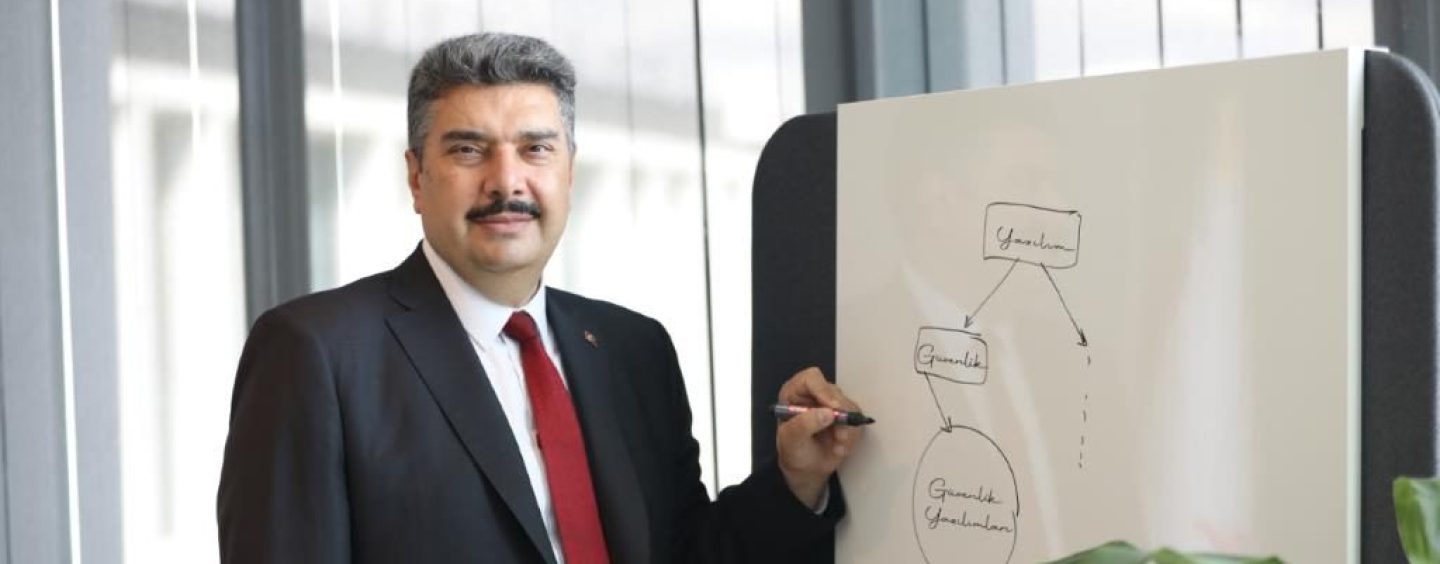
An interview with Dr. Mehmet Akif Nacar, General Manager of HAVELSAN for Azerbaijan Today magazine.
Questions prepared by Ali Askerli
A.T.: From its early years to today, what are the key turning points that transformed HAVELSAN into a major defense-technology company? What capabilities did you have then that laid the foundation for today’s success?
Mehmet Akif Nacar: HAVELSAN is a technology company established within the Turkish Armed Forces to meet the electronic needs of the Air Force Command with national capabilities.
Focusing on software-intensive technologies from the first years of its establishment, HAVELSAN has reached a high level of competence at the global level in areas such as simulators, command and control, cybersecurity, autonomous systems, information and communication technologies.
HAVELSAN’s first brand project is the Air Force Information System HvBS. Developed for the Turkish Air Force with national capabilities, HvBS has been updated with next-generation technologies for more than 20 years in accordance with changing needs. HvBS is one of the few systems to have successfully passed critical technical tests within NATO.
With the systems it has developed for the Peace Eagle Airborne Early Warning and Control Aircraft and the Meltem Maritime Patrol and Surveillance Aircraft, HAVELSAN has also become an important solution partner for both the Air Force and the Naval Forces in air command and control capabilities.
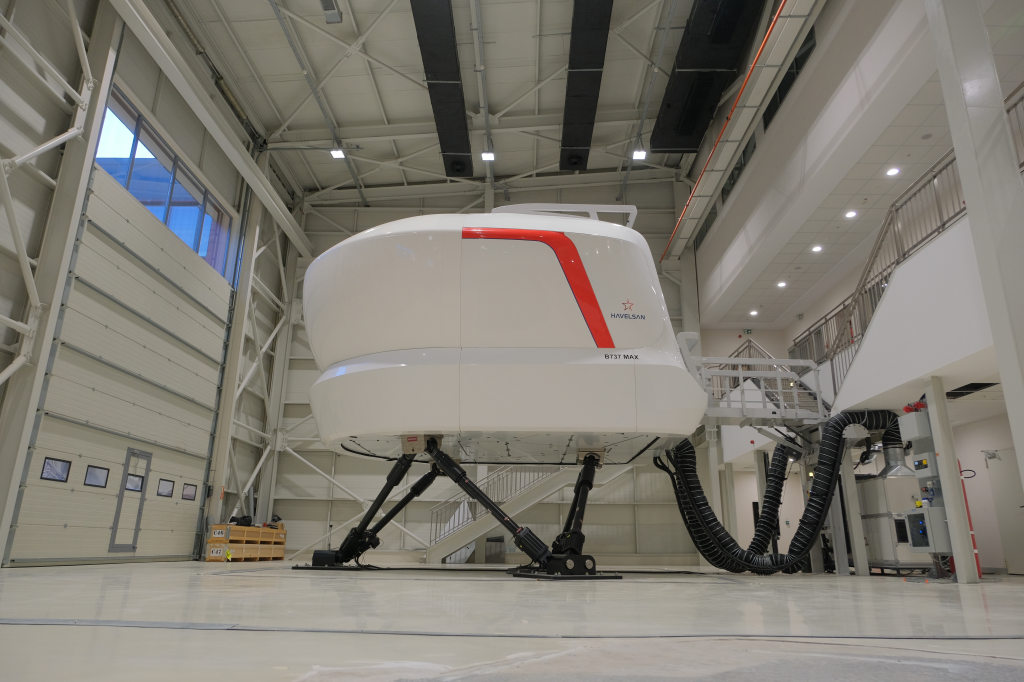
One of HAVELSAN’s core areas of competence is simulation technologies, and it meets the simulator needs of the Turkish Armed Forces with national capabilities.
HAVELSAN is also a leading company in digital transformation in Türkiye. With the national software it developed in the 2000s, it undertook projects such as the National Judiciary Informatics System (UYAP), the Election Information System (SEÇSİS), and the Land Registry and Cadastre Information System (TAKBİS). More recently, HAVELSAN developed KOVAN, an important national solution in the field of enterprise resource planning, enabling institutions to manage their business processes on a secure infrastructure.
One of HAVELSAN’s most competent areas today is naval combat management systems and command and control technologies.
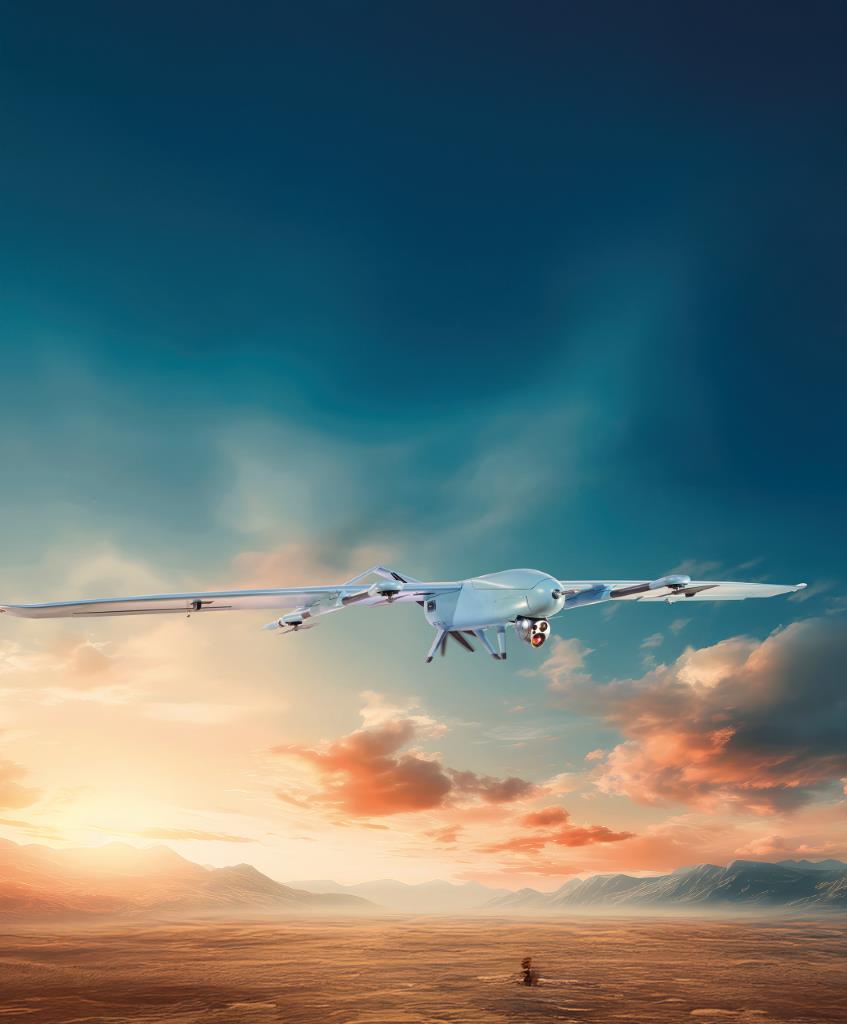
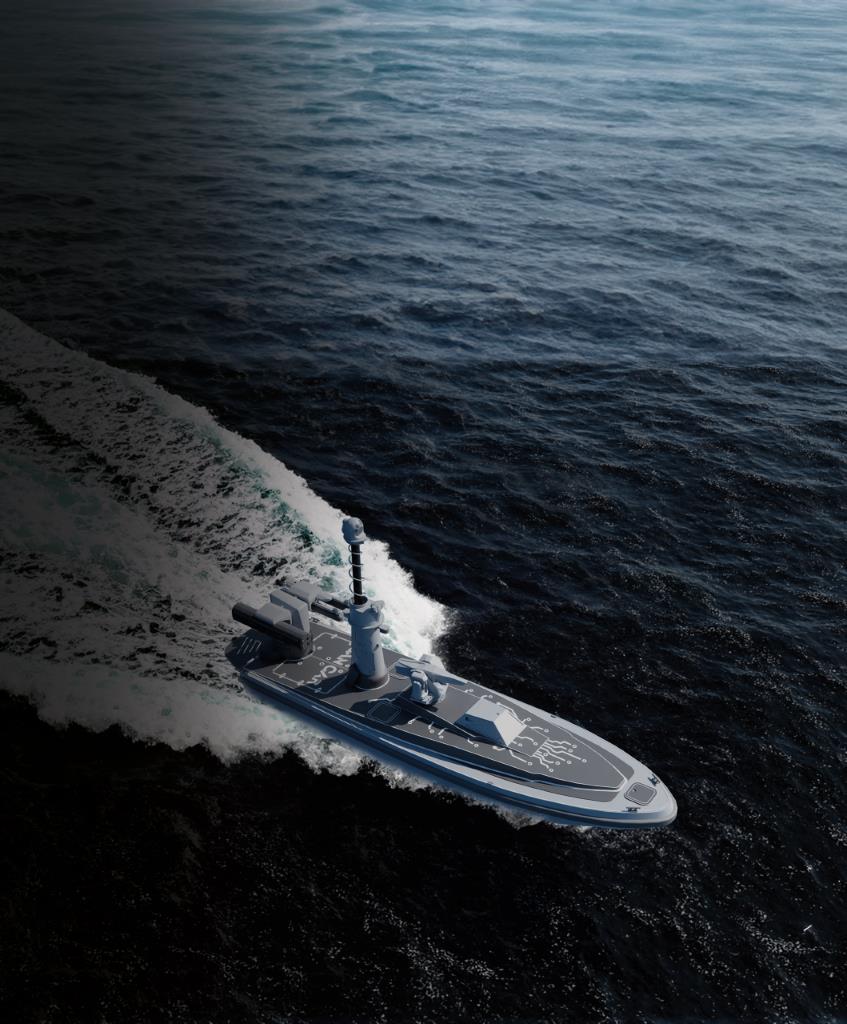
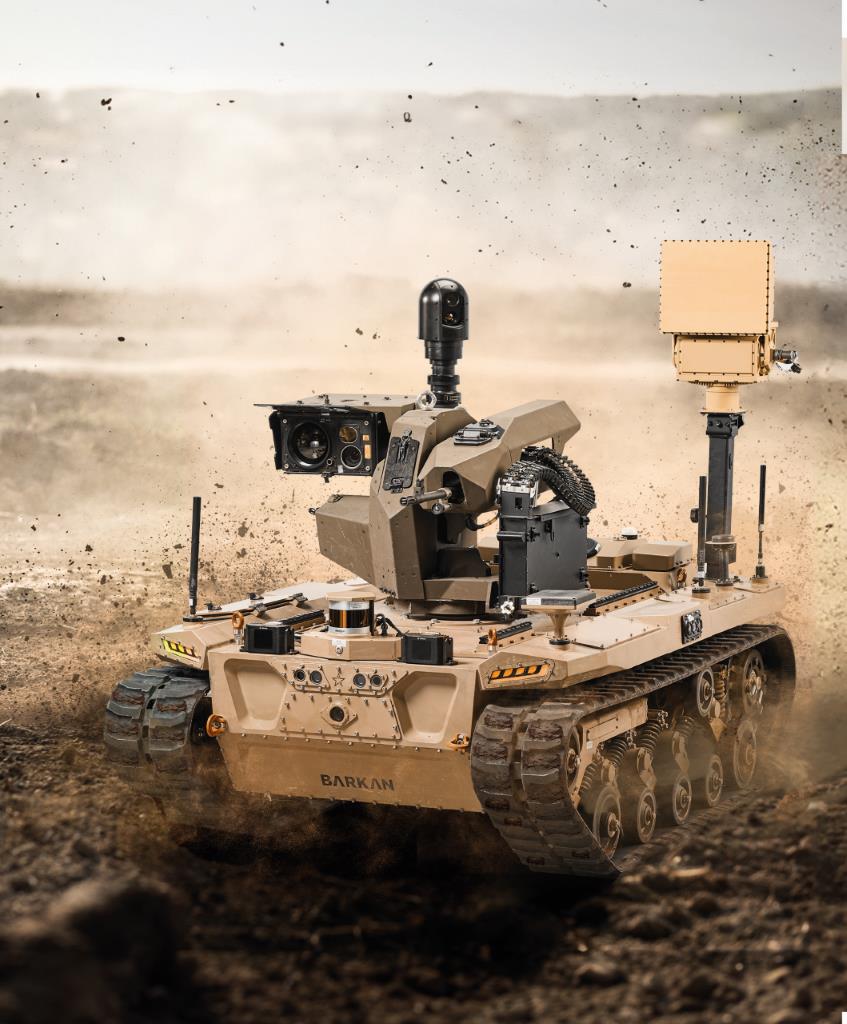
HAVELSAN has also made significant progress in the field of unmanned autonomous systems. Having first introduced the Digital Troops concept in 2019, HAVELSAN has reached an important stage in its efforts to provide joint operational capability to maritime, aerial, and ground unmanned autonomous systems through its mixed swarm capability. Within this scope, the BARKAN unmanned ground vehicle, BAHA, BULUT, BOZBEY unmanned aerial vehicles, and SANCAR unmanned surface vehicle are actively used in the field by our security forces.
HAVELSAN has also made a significant contribution to Türkiye’s technological vision in the fields of information technologies and artificial intelligence. We continue to integrate our large language model, MAIN, into our institutions. Our public institutions also safely use technologies in areas such as artificial intelligence, enterprise resource planning, and data management, particularly MAIN, KOVAN, and ODAK.
A.T.: Today, how important is HAVELSAN to Türkiye’s defense architecture? Which systems or capabilities would you identify as most critical to the Turkish Armed Forces?
Mehmet Akif Nacar: HAVELSAN plays a central role in Türkiye’s defense architecture. As a company of the Turkish Armed Forces Foundation, our mission is to develop high-technology, innovative and smart solutions tailored to the needs of the Armed Forces, while contributing to Türkiye’s technological independence and global competitiveness.
We provide the software, systems integration and digital capabilities that connect platforms, sensors and decision-makers. Modern operations are increasingly software-driven, and this puts HAVELSAN at the heart of how the Turkish Armed Forces plan, execute, train and operate.
With our “AI for Defence” approach, we are also increasingly integrating artificial intelligence across our products and services, with a focus on enhancing operational capabilities and supporting decision-making.
Our solutions are actively used in land, maritime, and air domains, both in Türkiye and internationally. The fact that these capabilities, developed through operational feedback and tested under challenging conditions, are trusted and used by the Turkish Armed Forces is one of our strongest references.
One of our key capability areas is C4ISR. We develop systems that bring information from different sources together to create a common operational picture, enabling faster and more effective decision-making at every level of command.
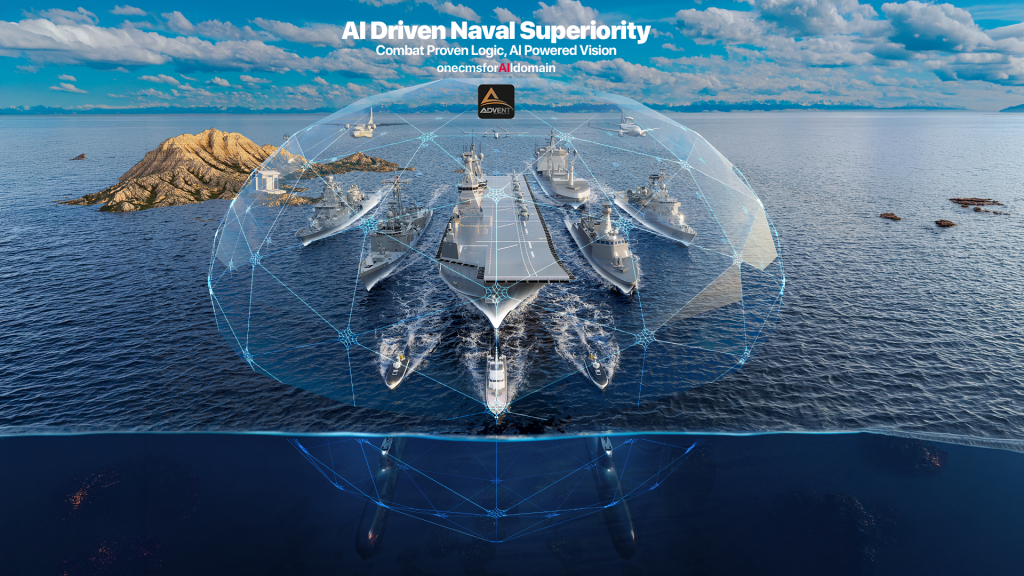
In the naval domain, our ADVENT Combat Management System has been deployed on Turkish Naval Forces platforms, including MİLGEM-class ships. ADVENT integrates sensors, weapons and platforms within a network-centric architecture, enabling coordinated operations and enhancing mission effectiveness. It is designed to address the demands of modern naval warfare, where interoperability and information superiority are increasingly critical.
In the air domain, our Air Force Integrated Command and Control System, AICCS, supports strategic, operational and tactical processes while also addressing areas such as personnel, logistics and financial management. By bringing different technologies and architectures together, AICCS helps reduce operational preparation times significantly.
Simulation and training is another major area of expertise for HAVELSAN. Our flight, mission and tactical training simulators provide realistic, safe and cost-effective environments for training military personnel. We develop training solutions and simulation systems in line with the operational requirements of the Armed Forces, and with our expertise in simulation and training technologies, we also contribute to Türkiye’s National Combat Aircraft program.
We are also investing heavily in unmanned and autonomous systems. Through our advanced communication, software and systems-integration capabilities, we develop solutions for operations on land, at sea and in the air. BARKAN, BAHA and SANCAR, together with our autonomy software, are examples of how we are supporting the transition towards manned-unmanned teaming.
Beyond defense systems, HAVELSAN also brings more than 20 years of experience in information technologies and high-technology systems. This expertise extends into areas such as secure and smart cities, digital transformation, biometric data analysis, cloud computing, IoT, critical facility security and data-center architecture.
Finally, cybersecurity and artificial intelligence are increasingly important areas for us. We develop solutions to protect critical military and national infrastructure and to bring AI-based decision support into operational environments. Across all these areas, our objective is the same: to anticipate emerging needs and transform technology into solutions that deliver tangible operational value.
A.T.: You describe ADVENT as the “brain” of the ship. What makes it technologically significant, and how has it changed naval warfare and command-and-control capabilities?
Mehmet Akif Nacar: ADVENT Combat Management System (CMS) is technologically significant due to its platform-agnostic, modular, and open architecture that consolidates multi-source data processing, sensor fusion, and decision-support into a unified C2 framework.
ADVENT transforms manned-unmanned teaming by allowing command teams to directly monitor, task, and deploy unmanned aerial, surface, and subsurface vehicles (UxVs)—including weapon firings—straight from standard Combat Information Center (CIC) consoles. This integration extends operational reach and enhances fleet-wide tactical superiority.
A.T.: (You have described a vision of a highly digital and increasingly autonomous battlefield). How will HAVELSAN prevent cyberattacks, electronic warfare, or manipulated data from turning that technological advantage into a vulnerability?
Mehmet Akif Nacar: Our approach is based on a simple principle: greater autonomy in the digitally evolving battlefield must be matched by greater trust, visibility, and resilience.
Visibility is fundamental. You cannot protect what you cannot see, and you cannot respond effectively without a clear and continuously updated understanding of what is happening across systems, networks, data flows, and operational environments. For this reason, we see cyber situational awareness as a critical capability in terms of bringing together information from different sources, identifying anomalies and emerging threats, understanding their potential operational impact, and supporting timely and informed decision-making.
We do not treat cybersecurity, electronic warfare resilience, or data integrity as separate layers added after a platform or system is built. They need to be embedded into the architecture from the very beginning through secure-by-design principles, protected communications, data validation, redundancy, continuous monitoring, and resilient system design.
At the same time, we design with the assumption that communications may be degraded or denied, data may be manipulated, sensors or individual components may be targeted, and some parts of the infrastructure may temporarily become unavailable. Therefore, the objective is not only to prevent attacks, but also to detect anomalies early, understand their impact, isolate compromised elements, limit propagation, and allow critical functions to continue operating safely under degraded conditions in critical infrastructures.
Technology alone, however, is not sufficient. Beyond other conventional battlefields, cyber space is a human generated environment, so personnel competence, preparedness, and realistic testing are equally important.
HAVELSAN also brings decades of experience in command-and-control systems into the cyber domain. We believe that the same principles that are essential in conventional operational environments — situational awareness, coordinated decision-making, command relationships, mission continuity, and a common operational picture — are becoming increasingly important in cyber space. Building on this experience, we are investing in cyber command-and-control capabilities that can help organizations transform large volumes of technical security data into a coherent operational picture and support coordinated responses across different teams and domains.
Cloud and artificial intelligence technologies are also becoming central to this transformation. By investing in these areas, we aim to enhance scalability, automation, analytics, anomaly detection, decision support, and the ability to process increasingly complex security data. Our objective is to contribute to the security posture of critical organizations while increasing their resilience against disruptions and adverse developments in cyber space.
As autonomy increases, appropriate human oversight, clearly defined operational boundaries, and fail-safe mechanisms must also remain essential. AI and automation should strengthen human decision-making and response capacity, not remove accountability from critical operational processes.
Ultimately, technological superiority is sustainable only when systems remain observable, trustworthy, resilient, and mission-capable under pressure. HAVELSAN’s ambition is to bring together its experience in command and control, simulation and training, cyber security, cloud, and artificial intelligence to help shape this new operational domain and to remain a strong actor in the evolving struggle in cyber domain.
A.T.: HAVELSAN has been active in Azerbaijan since 2006, and cooperation is now moving toward joint production. Could Azerbaijan eventually become a regional technology and production hub for HAVELSAN, rather than simply an export market?
Mehmet Akif Nacar: Türkiye and Azerbaijan share a unique relationship, and our cooperation in the defence industry reflects that strong strategic partnership. In recent years, the focus has increasingly expanded from the delivery of products to interoperability, technology transfer and joint technological development.
HAVELSAN has already established a strong foundation in Azerbaijan. In January 2025, we delivered our Air Force Integrated Command and Control System, AICCS, to the Azerbaijani Air Force, followed by our KOVAN Next Generation Business Management System for the Ministry of Defence.
At the same time, we are exploring further opportunities in C4I, simulation and training, unmanned and autonomous systems, information and communication technologies, and cybersecurity.
Azerbaijan is a brotherly country and a close strategic partner, and we see significant potential for cooperation across these areas. In simulation and training, for example, our experience in flight and mission simulators can contribute to advanced pilot-training ecosystems, including solutions for modern trainer aircraft such as HÜRKUŞ.
Unmanned and autonomous systems are another area where we see strong potential. BARKAN, our unmanned ground vehicle, demonstrates our capabilities in autonomous land systems and manned-unmanned teaming. Further demonstrations and technical engagement can create opportunities for new areas of cooperation.
Our C4ISR capabilities can also contribute to interoperability and joint operations, while naval combat management and maritime security solutions are relevant to the wider maritime environment of the Caspian Sea. Cybersecurity and digital transformation are other areas where our capabilities and Azerbaijan’s needs can come together.
So, rather than looking at Azerbaijan simply as an export market, we see it as a long-term technology partner. Our objective is to facilitate technology transfer, share know-how and, where appropriate, pursue co-development and joint production.
Since 2023, HAVELSAN has had an office in Baku. We also want to contribute to the development of Azerbaijan’s human capital by creating opportunities for Azerbaijani engineers and sharing our knowledge and expertise with local teams.
Our approach is therefore not limited to delivering products. It is about building sustainable capabilities together — through local engineering, training, technology transfer and capacity building.
We believe this approach can create lasting value for both countries and further strengthen the cooperation between Türkiye and Azerbaijan in line with the spirit of “One Nation, Two States.”