
By Yücel Karauz, Former Turkish Military Attaché to Azerbaijan (2011–2013).
Introduction
Russia’s membership in the Organization of Turkic States (OTS) might, at first glance, increase the organization’s geographic and economic weight. Yet the question goes beyond relations between Russia and the Turkic states. It could also affect the OTS’s institutional identity, the balance among its members, and the ties between the organization and the Turkic peoples living within the Russian Federation.
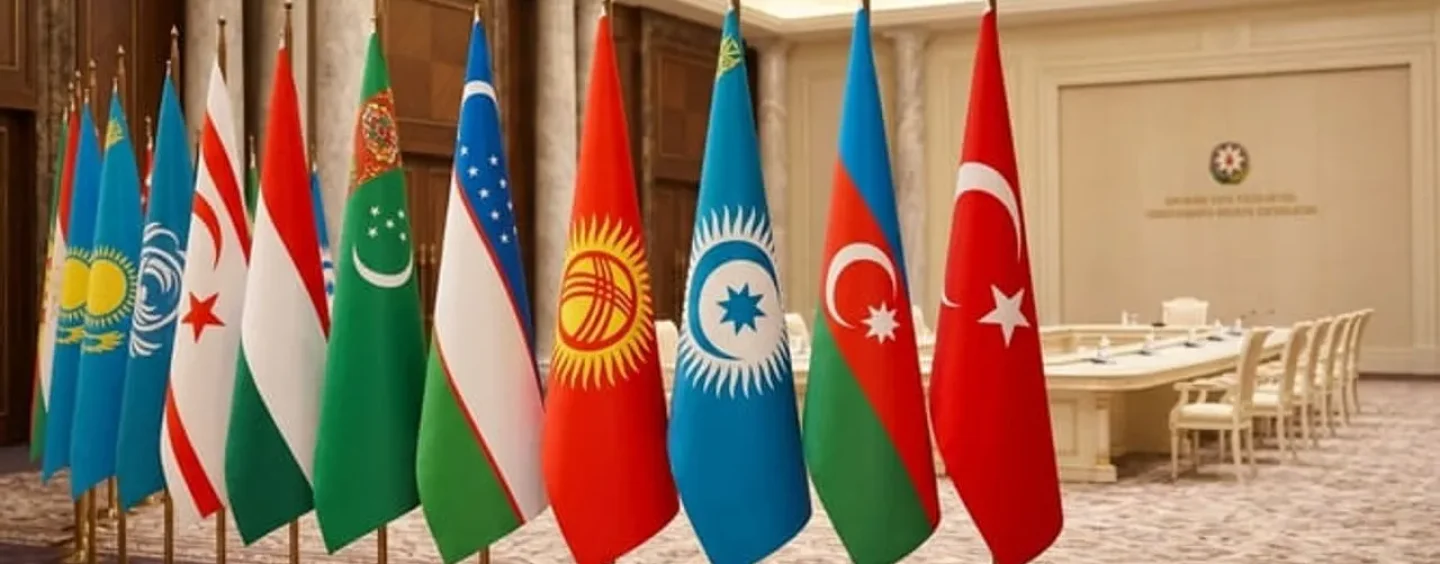
The OTS currently comprises Türkiye, Azerbaijan, Kazakhstan, Kyrgyzstan and Uzbekistan, while several states and organizations hold observer status. The organization’s documents emphasize shared history and cultural ties, as well as the principles of state sovereignty, territorial integrity and non-interference in internal affairs.
Discussion
Russia’s large market, energy and mineral resources, transport networks and geopolitical position in Eurasia could offer the OTS significant opportunities. Channels for dialogue on trade, energy, transport and security could expand, while the development of north–south and east–west connections could become easier. Such cooperation could also contribute to regional stability and the diversification of trade routes.
However, Russia’s size is also the main drawback. Its population, military capacity and diplomatic reach could substantially alter the balance of power within the organization. If the members’ equal right to have a say were not preserved, the OTS agenda could shift toward Russia’s priorities, weakening the organization’s role as a platform for cooperation among Turkic states. Membership would therefore not automatically strengthen the OTS. If the institutional balance were undermined, it could weaken unity and increase the risk of division over time.
This debate also raises the broader question of the OTS’s approach to enlargement. The Nakhchivan Agreement provides a legal route for accession, but the political and institutional criteria for expansion, the stages candidates should complete, and the way their readiness should be assessed need a clearer and more comprehensive framework. Otherwise, uncontrolled expansion without due regard for shared objectives and institutional capacity could complicate decision-making, weaken the sense of common purpose and harm the organization.
The OTS could therefore establish, for example, a five-year transition and review period covering all forms of expansion, including membership and observer status. During this period, engagement with prospective participants could begin through diplomatic dialogue and observer-level contacts, followed by practical cooperation in areas such as the economy, transport, education, culture and energy. In the final stage, decisions could take account of alignment with shared objectives, commitment to the organization’s principles, institutional contribution and the level of trust among members. Such a model would not be intended to delay expansion; it would help ensure that new partnerships strengthen the OTS’s unity and effectiveness.
Tatars, Bashkirs, Sakha (Yakut), Chuvash, Tuvan and other Turkic peoples live across Russia. Strengthening their linguistic, cultural, educational and academic ties with OTS countries would be a significant opportunity. Population data confirm the presence of these communities in Russia, although there are uncertainties in census figures concerning how ethnic identity is recorded.
Russia’s membership could help develop these communities’ ties with the OTS. However, a state’s membership does not mean that the communities within that state would be independently represented in the organization. Cultural, academic and civil-society ties with Russia’s Turkic peoples should therefore be treated as a continuing area of cooperation in its own right, separate from the membership debate. These connections should be pursued in ways that support the preservation of their languages and cultures while avoiding the appearance of interference in Russia’s internal affairs.
Conclusion
Russia’s membership in the OTS could create important opportunities, particularly in trade and transport. At the same time, it could upset the organization’s internal balance and weaken its common identity. The decision should not be based solely on the potential benefits Russia might bring.
The priority should be to establish clear criteria and a phased process for OTS enlargement. A five-year transition and review model could develop cooperation step by step and provide an opportunity to assess prospective participants’ alignment and contribution. In relations with Russia, it would be more prudent to begin with these controlled channels of cooperation while strengthening the cultural and academic ties of Russia’s Turkic peoples. The OTS’s real strength depends first and foremost on trust, equality and the ability of its members to act together.


