US Strengthens Central Asia’s Cybersecurity: A New Dimension of C5+1 Cooperation
The United States’ allocation of US$5 million to support cybersecurity in Central Asia highlights the growing strategic importance of digital security, artificial intelligence and technological infrastructure in Washington’s engagement with the region.
The United States has allocated US$5 million to support cybersecurity and the development of the digital sector in Central Asia. The funding was announced by Mark Cameron, Acting Deputy Assistant Secretary of State for South and Central Asian Affairs, at the C5+1 “Super Intelligence” conference in Astana.
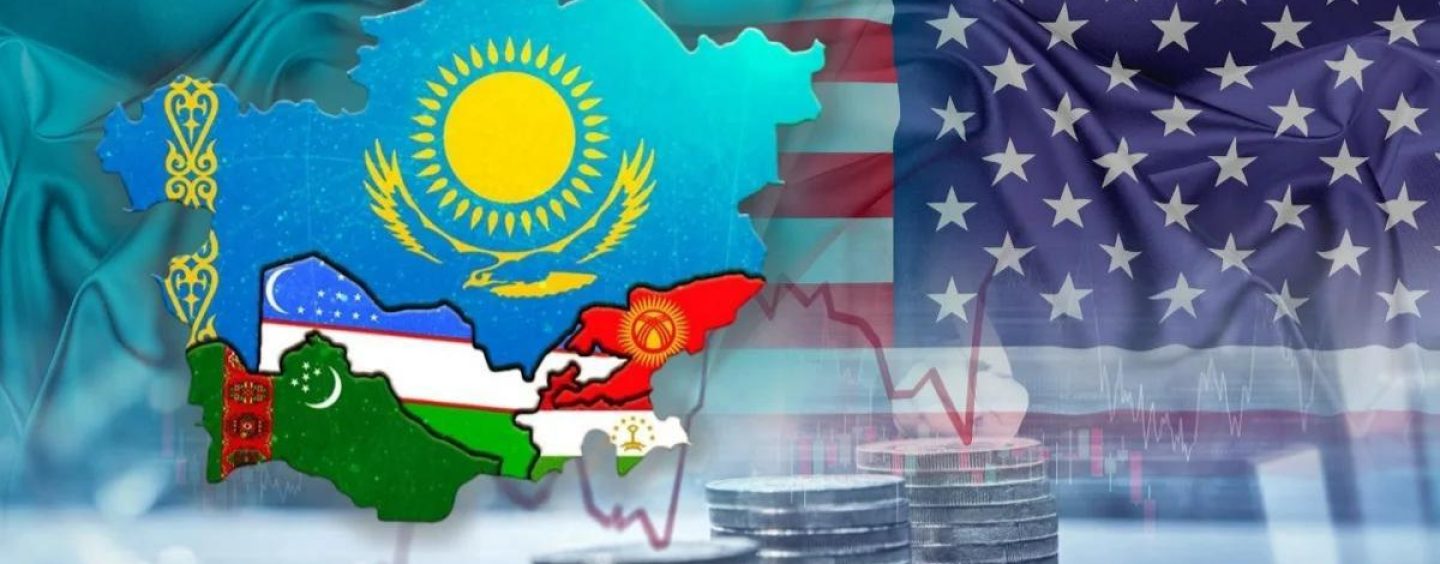
The conference brought together representatives of Kazakhstan, Kyrgyzstan, Tajikistan, Turkmenistan, Uzbekistan and the United States to discuss artificial intelligence, digital infrastructure, data centres, cybersecurity and cooperation with US technology companies.
According to Cameron, the assistance will be provided through CRDF Global and will focus on improving cyber hygiene, strengthening responses to cyber incidents, protecting critical infrastructure, enhancing financial-sector security and developing national cybersecurity policies.
The initiative reflects a broader reality: as Central Asian economies become increasingly digitalised, cybersecurity is becoming an essential component of national and economic security. Government services, financial institutions, telecommunications networks, energy systems and transport infrastructure are increasingly dependent on secure digital technologies.
A New Dimension of C5+1
The Astana conference is particularly significant because it demonstrates the expanding agenda of the C5+1 format, which brings together the five Central Asian states and the United States.
Established in 2015, C5+1 has developed from a platform focused primarily on regional cooperation and security into a broader mechanism encompassing investment, trade, technology and digital development.
The shift is important. Central Asia’s strategic significance is no longer determined solely by its energy resources and geographical position. Artificial intelligence, data centres, telecommunications, critical minerals and cybersecurity are becoming increasingly important elements of the region’s economic and geopolitical landscape.
The US initiative can therefore be viewed as part of a wider effort to strengthen technological cooperation with Central Asian states.
Artificial Intelligence and Digital Infrastructure
The focus on “super intelligence” at the Astana conference also underlines the growing importance of artificial intelligence in global technological competition.
AI development requires much more than advanced software. It depends on large datasets, computing capacity, reliable energy supplies, data centres, telecommunications networks and skilled professionals. This makes digital infrastructure and cybersecurity closely interconnected.
For Central Asian countries, investment in these areas could support the development of domestic IT sectors, technology startups, digital public services and new forms of economic activity.
At the same time, governments face the challenge of balancing international technological cooperation with data protection, cybersecurity and digital sovereignty.
Implications for the Region
The expansion of US technological engagement with Central Asia also has wider regional implications.
As digital connectivity develops alongside transport, energy and trade links, cybersecurity will become increasingly important for regional connectivity. This is particularly relevant to the Trans-Caspian East-West transport corridor, where secure data exchange, digital customs systems, logistics platforms and financial technologies will complement physical infrastructure.
For Azerbaijan, the digital transformation of Central Asia creates potential opportunities for cooperation in cybersecurity, artificial intelligence, telecommunications and digital services, alongside its growing economic and transport links with the region.
The Emerging Digital Competition
The US$5 million allocation is relatively modest in financial terms, but its strategic significance lies in the direction of cooperation.
The emerging competition for influence in Central Asia increasingly extends beyond energy and transport to artificial intelligence, data infrastructure, cybersecurity, telecommunications and human capital.
For Central Asian governments, the challenge will be to use international partnerships to accelerate digital development while strengthening their own technological capabilities.
For Washington, meanwhile, digital cooperation provides another channel for deepening long-term economic and strategic engagement with a region whose importance continues to grow.
The Astana conference thus points to a broader transformation of the C5+1 agenda: digital security and technological cooperation are becoming integral to the future of Central Asia’s economic and geopolitical landscape.