
Trump’s Russian Diesel Deal: Energy, Political Calculations and the Global Balance of Power
By Yücel Karauz, retired Brigadier General of the Turkish Armed Forces and strategy expert, and Dr Carsten Sander Christensen
U.S. President Donald Trump’s decision to temporarily authorise certain transactions involving Russian-origin diesel has raised questions about its economic and geopolitical implications. While presented as a response to rising fuel prices, the initiative’s impact on American consumers remains uncertain.
Trump announced initial supplies of more than 300,000 metric tonnes, followed by 500,000 tonnes in November and further deliveries. However, destinations, buyers, prices and delivery schedules remain unclear. Beyond energy markets, the move could affect US sanctions policy, relations with Moscow and the broader geopolitical landscape.
Yücel Karauz: Energy Supply, Sanctions and Political Calculations
The scale of the proposed deliveries is central to assessing their potential impact. According to Reuters, 300,000 metric tonnes of diesel equal approximately 2.25 million barrels, while 500,000 tonnes amount to around 3.75 million barrels.
The US Energy Information Administration estimates that total American petroleum consumption averaged 20.6 million barrels per day in 2025. On that basis, these quantities represent approximately 2.6 and 4.4 hours of total petroleum consumption, respectively. Compared with transportation-sector diesel demand of around 2.94 million barrels per day, however, they correspond to approximately 18 and 31 hours of demand.
These figures demonstrate why the announced supplies alone are unlikely to cause a substantial or lasting decline in prices. Their impact will depend on delivery schedules, tanker availability, Russian refinery capacity and the extent of existing supply shortages. Additional Russian exports could ease pressure on the diesel market, but they cannot guarantee a sustained reduction in fuel prices.
For Trump, the initiative offers an opportunity to demonstrate a response to rising energy costs. Diesel prices directly affect transport, agriculture and industrial production, with consequences extending to the cost of goods and household expenses. With the November 2026 midterm elections approaching, domestic political considerations are also relevant.
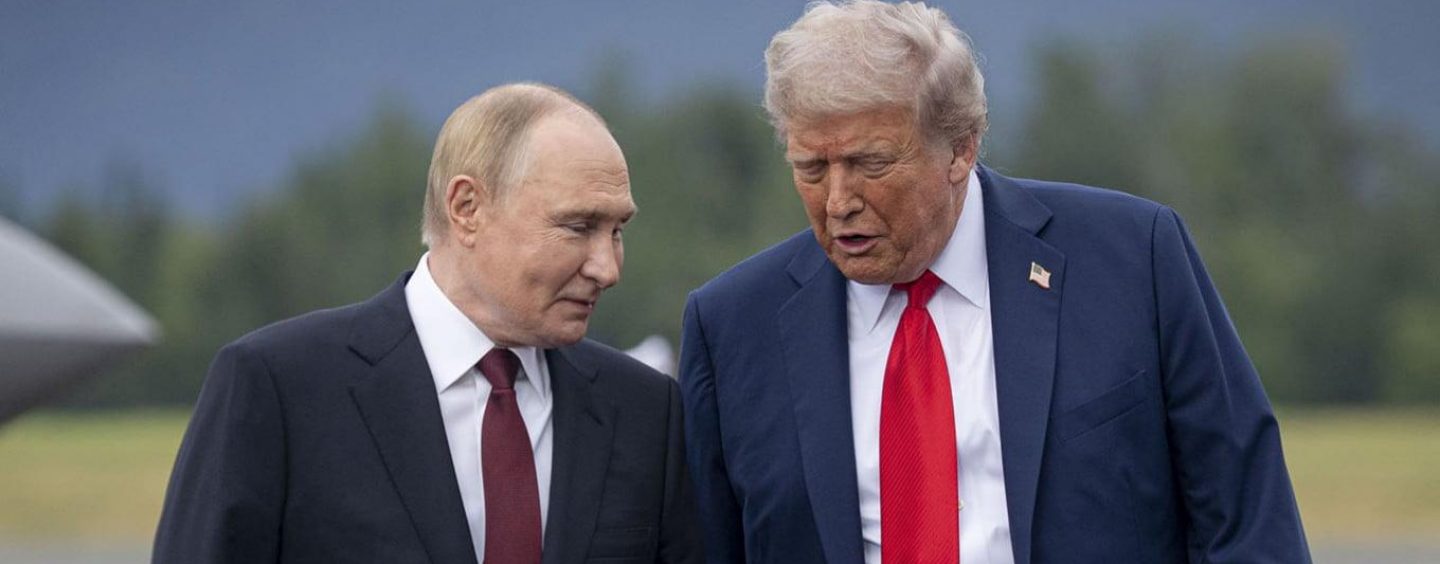
The decision is also connected to Trump’s negotiations with Russian President Vladimir Putin and the wider question of attacks on energy infrastructure in Russia and Ukraine. However, the extent to which these considerations influenced the decision remains uncertain.
Russia, meanwhile, could benefit financially from additional diesel exports. Reuters has estimated that shipments of 300,000 tonnes could generate approximately $400 million, although only part of that amount would flow directly into the Russian state budget.
Beyond immediate revenue, Moscow could gain diplomatic leverage by demonstrating that Russian energy remains relevant to international markets despite Western sanctions. Nevertheless, the long-term significance of the arrangement will depend on whether the announced deliveries take place and whether the temporary easing of restrictions produces broader diplomatic benefits.
The central issue is therefore not simply the volume of diesel involved, but whether the agreement changes the wider relationship between energy security, sanctions and negotiations over the war in Ukraine.
Dr Carsten Sander Christensen: Domestic Politics and America’s Global Position
Dr Carsten Sander Christensen approaches the agreement from a broader political and strategic perspective, questioning whether the initiative can deliver meaningful economic relief at a time when the Trump administration faces pressure over affordability and the cost of living.
In his assessment, the proposed deliveries represent only a limited contribution to American fuel demand. Even substantial shipments would constitute a fraction of the quantities consumed by the US economy. Moreover, announced deliveries should not be confused with a guaranteed, permanent supply of hundreds of thousands of tonnes every month.
Although the announcement may temporarily improve market sentiment, energy prices remain vulnerable to geopolitical tensions, disruptions to production and refining, and problems affecting international shipping routes. For American households, the decisive question is whether fuel and everyday expenses actually decline.
Christensen argues that the timing of the initiative is politically significant. With the November midterm elections approaching, the administration needs to demonstrate tangible economic results. Fuel prices are particularly visible to voters and affect transport companies, farmers and businesses throughout the supply chain. If costs remain high, a diplomatic announcement may have limited value in addressing public concerns.
His analysis also highlights the strategic implications for Russia. By agreeing to additional Russian supplies, Washington gives Putin an opportunity to present Moscow as a relevant partner in stabilising international energy markets. This creates a potential contradiction in American policy: sanctions are intended to constrain Russia’s economic and strategic capabilities, while the diesel arrangement provides a commercial opportunity.
Christensen further examines the wider relationship between Russia and China. The two countries have expanded cooperation in energy, trade, military affairs and diplomacy, although their interests are not identical and their partnership is not without limits. China’s industrial and technological strength, combined with Russia’s energy resources and military capabilities, presents a broader challenge to Washington’s international position.