By Yücel Karauz, retired Brigadier General of the Turkish Armed Forces and strategy expert.
As NATO allies, Türkiye and the United States share responsibilities across a vast region stretching from the Middle East and the Black Sea to the Caucasus and Europe. Although their strategic priorities do not always coincide, Türkiye’s regional influence, NATO membership and ability to maintain dialogue with different actors make Ankara an important partner for Washington.
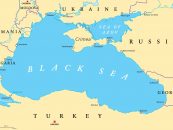
Black Sea security, Russia’s war against Ukraine and European defence remain central to this relationship. Attacks on commercial vessels, maritime mines and unmanned systems threaten shipping and energy supplies. Türkiye seeks to prevent the conflict from spreading, while implementing the Montreux Convention and supporting safe navigation and diplomatic efforts towards a ceasefire. Its position is important not only for NATO’s south-eastern flank but also for the wider security of Europe.
In the Middle East, Türkiye seeks to maintain neighbourly relations with Iran while preventing further regional destabilisation. Ankara opposes the escalation of tensions into a wider war and emphasises diplomacy through its contacts with Washington, Tehran and other regional capitals. Although Türkiye and the United States do not share identical approaches to Iran, preventing a broader conflict and protecting regional stability provide common ground.
Another dimension of Türkiye’s regional security policy is the Joint Defence Agreement signed in Mecca by Türkiye, Saudi Arabia and Pakistan. The agreement aims to strengthen defence cooperation and collective deterrence. However, its long-term contribution to regional peace will depend on whether military cooperation is accompanied by diplomatic engagement and efforts to reduce tensions.
Relations with Iraq and the Development Road Project demonstrate how economic cooperation can support regional stability. The planned railway and highway corridor would connect Iraq’s Port of Faw on the Persian Gulf with European markets through Türkiye. Ankara and Baghdad have agreed to accelerate the project, although substantial planning and implementation challenges remain. If security, financing and infrastructure requirements are addressed, the corridor could increase trade, create employment and strengthen economic interdependence. It cannot guarantee peace by itself, but it could provide a stronger economic foundation for stability.
In the South Caucasus, lasting peace between Azerbaijan and Armenia and the opening of regional transport routes are important objectives shared by Türkiye and the United States. Progress has been made in the peace process, but political and legal steps towards signing and implementing a comprehensive agreement remain necessary. Armenia’s draft constitution, announced on 23 November, was regarded as a development intended to address Azerbaijan’s concerns regarding territorial claims.
The proposed TRIPP route is central to this regional connectivity agenda. It aims to connect mainland Azerbaijan with Nakhchivan through Armenia’s Syunik region, creating new opportunities for trade between the Caspian region and Europe. In November, the United States, Azerbaijan and Armenia established technical planning groups covering transport and electricity transmission. Preparatory work was announced on 23 November. Nevertheless, the route is not yet operational. Its implementation will depend on progress in the peace process, agreement on sovereignty and transit arrangements, and the completion of technical preparations.
The Organisation of Turkic States also provides a broader framework for regional connectivity through its support for the Middle Corridor. Extending from Türkiye through the Caucasus, the Caspian Sea and Central Asia towards Europe, this route offers opportunities to strengthen trade and transport cooperation. If political and legal conditions permit, TRIPP could complement existing networks and reinforce east–west connections. These developments would serve not only regional economies but also European supply-chain security.
These regional priorities demonstrate why Türkiye–U.S. relations should not be assessed exclusively through bilateral defence disagreements. Despite their differences, the two countries have shared interests in Black Sea security, European defence, Middle Eastern stability, Iraq’s development and peace in the Caucasus.
During the Biden administration, bilateral relations continued, but several major disagreements remained unresolved. Washington’s cooperation with the Syrian Democratic Forces (SDF) heightened Türkiye’s security concerns. Ankara’s purchase of the Russian S-400 air defence system resulted in its removal from the F-35 programme and the imposition of CAATSA sanctions. Nevertheless, Türkiye’s approval of Sweden’s NATO membership helped create an opening for progress on the F-16 sale and modernisation. The fundamental disagreements over the S-400 and F-35, however, persisted.
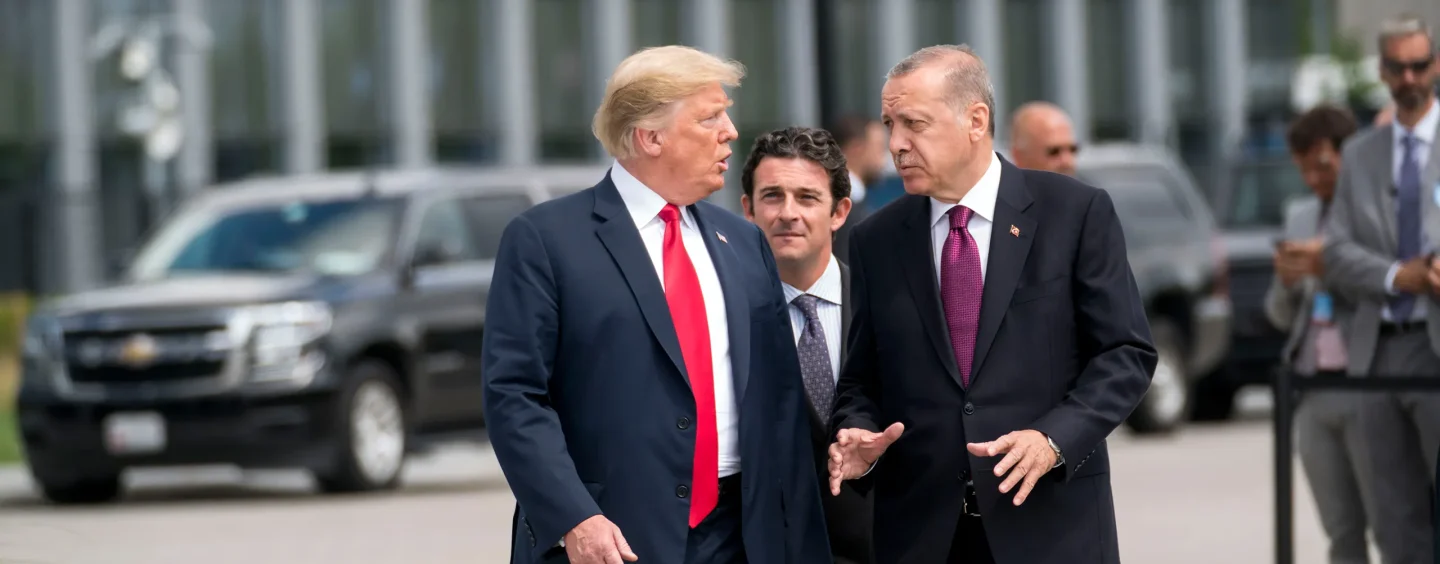
President Donald Trump’s return to the White House created a more positive political atmosphere through direct engagement with President Recep Tayyip Erdoğan. Trump indicated that the CAATSA sanctions could be lifted and that Türkiye’s return to the F-35 programme might be considered. Reports also emerged that the U.S. administration had begun notifying Congress about the export of F110 engines required for Türkiye’s KAAN fighter aircraft programme. These engines are important for the development of KAAN, although the process remains subject to congressional scrutiny and American export regulations.
Despite these positive signals, expectations should remain measured. The sanctions have not been lifted, and Türkiye’s return to the F-35 programme has not been approved. Washington has maintained that Türkiye must meet the relevant legal requirements before any transfer can take place. No definitive timetable has been established for resolving these issues. Political momentum has created room for negotiations, but it should not be confused with a completed agreement.
The Democrats’ victory in the November 2026 midterm elections has introduced a new political balance in Washington. This could narrow the Trump administration’s room for manoeuvre, particularly on defence exports, sanctions and the F-35 question. Although direct communication between Erdoğan and Trump remains valuable, Congress continues to exercise considerable influence over these matters. The election results therefore counsel against excessive optimism about an immediate resolution of bilateral disputes.
The principal challenges remain the S-400 system, CAATSA sanctions, Türkiye’s potential return to the F-35 programme, the supply of engines for KAAN and disagreements over security policy in Syria. Developments involving Iran and the wider Middle East could also produce differences in strategic priorities. At the same time, Black Sea security, European defence, Iraq’s development, peace in the Caucasus and stronger east–west transport links offer practical opportunities for cooperation.
The most realistic expectation is that Türkiye–U.S. relations will continue along a controlled course, combining political dialogue with unresolved disagreements. Direct engagement between the two presidents could help prevent differences from developing into another serious crisis. However, American domestic politics, congressional oversight and existing legislation will continue to influence the pace of progress.
Ultimately, Türkiye and the United States do not need to agree on every regional or international issue to maintain a strategically important partnership. Washington recognises Ankara’s significance in the Middle East, the Caucasus and the Balkans, as well as its role in Black Sea security, European defence and the regional response to Russia’s war against Ukraine. Their relationship will continue to face tests, but Türkiye’s geopolitical position and regional influence will remain important foundations of the alliance.